In short
A great flat at a low price, a landlord abroad and a deposit before viewing. How rental and holiday booking scams work and how to rent safely.
Top warning signs: You can't view the property; Payment before viewing or signing; The price is well below similar places.
First thing to do: View the property in person, or through a trusted person, before paying anything.
How the scam works
Scammers copy photos and descriptions from real listings, post them at an attractive price on rental sites, social media groups or classifieds, and move the conversation to email or WhatsApp.
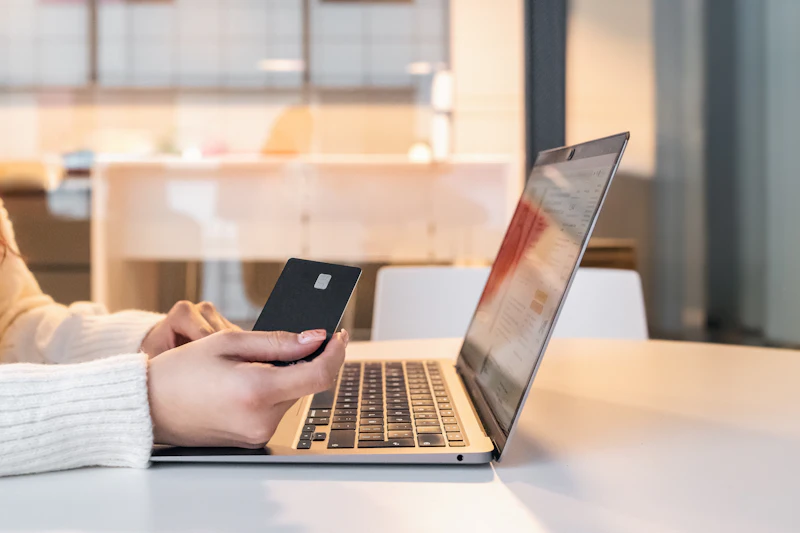
They explain why you can't view the property, then ask for a deposit, first month's rent or a “holding fee” by bank transfer or a money transfer service. Some send a fake contract to seem official.
Holiday versions use fake villas, cloned hotel websites or messages that pretend to come from a booking platform, asking you to pay outside the platform.
Red flags to look for
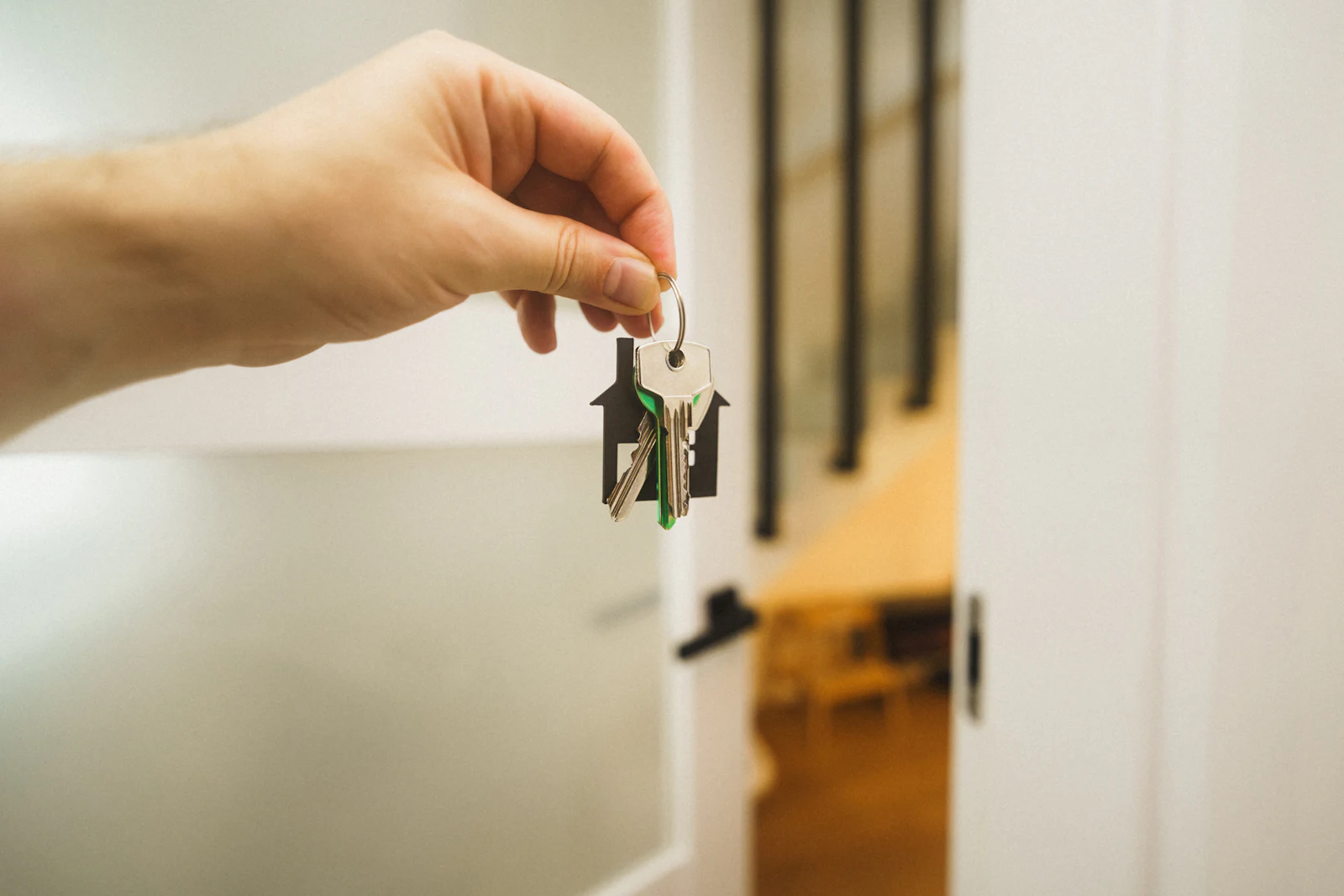
- You can't view the property. The owner is abroad, busy or “in hospital”, and keys will be posted after payment.
- Payment before viewing or signing. Especially by bank transfer, money transfer, crypto or gift cards.
- The price is well below similar places. A bargain in a high-demand area is a classic lure.
- Pressure to pay today. “Lots of people are interested” is meant to rush you.
- Paying outside the booking platform. Real hosts don't ask you to pay by bank transfer or through a link sent by message.
What to do if you get one
- View the property in person, or through a trusted person, before paying anything.
- Do a reverse image search of the listing photos to see if they appear elsewhere under another name or city.
- Check that the landlord or agent really owns or manages the property where your country allows it, and use registered agents.
- Keep bookings and payments inside the platform, and use payment methods with buyer protection.
If you already paid or shared details
Act quickly. It makes a difference.
- Contact your bank or payment provider immediately and ask them to recall the transfer.
- Report the listing to the website or group where you found it.
- Report it to the police or the official fraud service in your country.
More help: what to do after a scam, and where to report it in your country.
How to protect yourself next time
Watch for anyone using your identity
If you shared ID documents, card details or a Social Security number, monitoring can alert you when someone opens credit or accounts in your name.
Free: In the US, a credit freeze at Equifax, Experian and TransUnion is free and blocks most new-credit fraud. Elsewhere, ask your bank and your credit reference agency about fraud alerts.
- Aura Partner link US identity theft protection with credit monitoring and fraud insurance.
Keep security software with web protection on your devices
It blocks many known scam and malware websites and warns about dangerous apps. That matters most if you installed an app or "support" tool someone asked you to.
Free: Keep your phone and browser updated, and leave Google Play Protect or Microsoft Defender switched on. Both are free.
- Bitdefender Partner link Security suite for phone and computer with web and scam protection.
Compare the tools that help, and what each costs
Links marked Partner link may earn us a commission, at no cost to you. It never changes our advice, and the free option always comes first. Affiliate disclosure.
Questions people ask
Is a signed contract proof that it's real?
No. Scammers send convincing fake contracts and copied ID documents.
The booking platform emailed me asking to pay by transfer. Is that normal?
No. Log in to the platform directly and check your booking and messages there.
Have you had this one?
Tell other people what the message said and how it reached you. It helps someone recognise it before they tap.
No stories yet. Yours could be the one that warns someone.
Official sources and further reading
We check our guides against advice from government agencies and consumer protection bodies.
- Rental Listing Scams (US Federal Trade Commission)
- Holiday fraud (Report Fraud, UK police)
- Buying and selling scams (rental and holiday properties) (Scamwatch, Australian Competition and Consumer Commission)